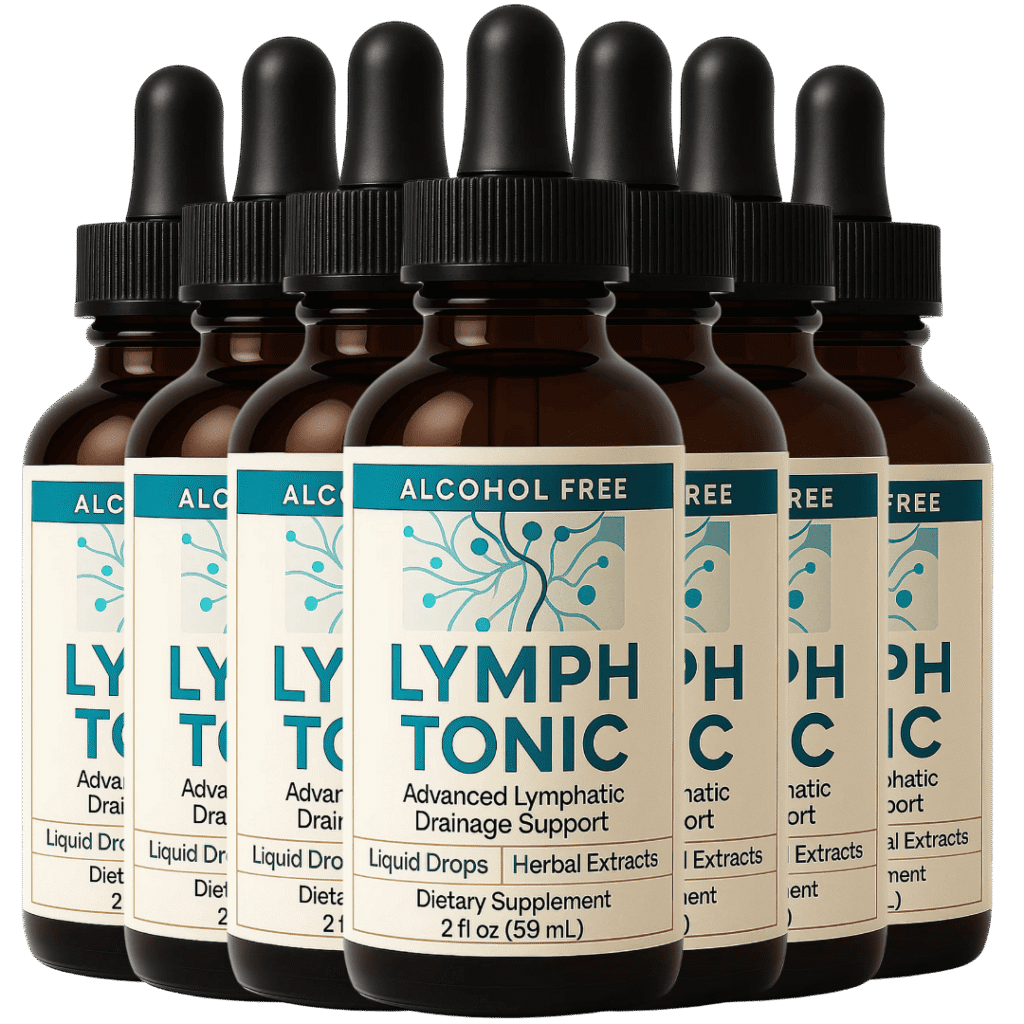
Lymph Tonic is an alcohol-free liquid herbal supplement marketed for supporting the body’s natural lymphatic function, circulation, and healthy fluid balance. Its formula combines several botanical and nutritional ingredients, including Boswellia serrata, curcumin, ginger, horse chestnut, baicalein, omega-3 fatty acids, and nattokinase.
This review takes a closer look at what Lymph Tonic is, its advertised benefits, ingredients, how to use it, purchasing options, and important considerations before adding it to a wellness routine.
Important: Lymph Tonic is a dietary supplement, not a treatment for a medical condition. Individual experiences can vary, and the product’s claims should not be interpreted as medical advice.
What Is Lymph Tonic?
Lymph Tonic is a liquid herbal supplement formulated around ingredients traditionally associated with circulation and general wellness. According to the product information, it is designed to complement the body’s natural lymphatic processes rather than replace medical treatment.
The liquid format provides an alternative to capsules or tablets, while the product is described as alcohol-free and made without artificial preservatives.
What Does Lymph Tonic Claim to Support?
The product is marketed for several areas of general wellness, including:
- Healthy lymphatic function
- Normal fluid balance
- Circulation support
- General vascular wellness
- Daily botanical nutrition
These are general supplement-support claims and should not be confused with claims to diagnose, treat, cure, or prevent disease.
How Does the Lymphatic System Work?
The lymphatic system is an important part of the body’s overall network of tissues, vessels, and organs. It helps transport lymph fluid throughout the body and works closely with the immune and circulatory systems.
Normal lymphatic function involves continuous movement of lymph fluid. Physical activity, muscle movement, hydration, and normal circulation all contribute to the body’s natural fluid-management processes.
Why Do People Look for Lymphatic Support?
Interest in lymphatic Wellness has grown as consumers look for ways to support circulation and overall fluid balance. Some people also explore herbal supplements as part of a broader wellness routine.
However, persistent or unexplained swelling can have many possible causes. A supplement should not be used as a substitute for professional evaluation when symptoms are concerning or ongoing.
Lymph Tonic Ingredients
The manufacturer describes Lymph Tonic as a proprietary herbal blend containing several botanical and nutritional ingredients.
Boswellia Serrata Extract
Boswellia is a botanical traditionally used in Ayurvedic wellness practices. It contains naturally occurring compounds called boswellic acids and is commonly found in supplements formulated for general joint and wellness support.
Baicalein
Baicalein is a naturally occurring flavonoid associated with the Scutellaria baicalensis plant. Flavonoids are plant compounds commonly studied for their antioxidant properties.
Omega-3 Fatty Acids
Omega-3 fatty acids are essential fats involved in normal cellular and cardiovascular function. They are commonly obtained through foods such as fatty fish, flaxseed, chia seeds, and certain fortified products.
The amount and specific source of omega-3 in Lymph Tonic should be considered when comparing it with dedicated omega-3 supplements.
Curcumin
Curcumin is one of the best-known compounds naturally found in turmeric. Turmeric and curcumin have a long history of use in traditional wellness practices.
Curcumin supplements are frequently marketed for general antioxidant and wellness support, although the effects of individual products can depend on dosage, formulation, and absorption.
Horse Chestnut Extract
Horse chestnut is a traditional European herbal ingredient often associated with vascular and circulatory wellness.
Because concentrated horse chestnut preparations can differ substantially from traditional preparations, consumers should pay attention to the standardized extract information and recommended serving size.
Nattokinase
Nattokinase is an enzyme associated with natto, a fermented soybean food traditionally consumed in Japan.
Because nattokinase may interact with certain medications or health conditions, anyone taking medication—particularly medication affecting blood clotting—should speak with a qualified healthcare professional before using a supplement containing it.
Ginger
Ginger is a widely used botanical traditionally consumed as both a food and herbal ingredient. It is commonly included in wellness formulas and is known for its distinctive flavor and naturally occurring plant compounds.
Lymph Tonic Benefits
The manufacturer positions Lymph Tonic as a supplement for general lymphatic and circulation support.
Supports Normal Lymphatic Function
The central purpose of the formula is to complement normal lymphatic function. The product is not a medical treatment for lymphatic disorders, and evidence for the complete combination should not automatically be inferred from research on individual ingredients.
Designed for Circulation Support
Several ingredients in the formula have traditional or nutritional associations with circulation and vascular wellness.
This makes the product potentially appealing to consumers who want to include botanical ingredients in a broader lifestyle focused on movement, nutrition, hydration, and general wellness.
Alcohol-Free Liquid Formula
One distinguishing feature is its liquid delivery format. The manufacturer describes Lymph Tonic as alcohol-free, which may appeal to people who prefer liquid supplements over traditional tinctures containing alcohol.
The listed additional ingredients include purified water, vegetable glycerin, and natural flavoring.
Botanical-Based Formula
Lymph Tonic combines multiple plant-derived ingredients rather than relying on a single botanical.
However, a multi-ingredient formula also makes it important to review the complete ingredient list if you have allergies, take medications, or already use other supplements.
How to Take Lymph Tonic
According to the supplied product information, the serving size is 2 droppers.
The product contains approximately 30 servings per 2 fl oz (59 mL) bottle.
Suggested Use
Follow the serving directions provided on the product label. Do not exceed the recommended serving unless advised by an appropriate healthcare professional.
If you are taking prescription medication, have a medical condition, are pregnant or nursing, or use multiple supplements, discuss the product with your healthcare provider before use.
Lymph Tonic Safety Considerations
Natural ingredients are not automatically suitable for everyone. Herbal supplements can have pharmacological effects and may interact with medications.
Who Should Exercise Extra Caution?
Consult a healthcare professional before using Lymph Tonic if you:
- Take prescription or over-the-counter medication
- Take products that affect blood clotting
- Have a diagnosed medical condition
- Are pregnant or breastfeeding
- Have known allergies to any listed ingredient
- Are preparing for surgery
- Take multiple herbal or nutritional supplements
Nattokinase, horse chestnut, ginger, curcumin, and other ingredients may warrant additional consideration depending on an individual’s medications and circumstances.
When Should You Seek Medical Advice?
Do not rely on a supplement to investigate unexplained or persistent swelling, sudden changes in fluid retention, significant pain, breathing difficulties, or other potentially serious symptoms.
A qualified healthcare professional can help identify the underlying cause and determine whether treatment is necessary.
Lymph Tonic Pros and Cons
Potential Advantages
- Alcohol-free liquid delivery format
- Contains several botanical ingredients
- Includes ingredients traditionally used in wellness practices
- Convenient 2-dropper serving
- Manufactured in the USA according to the supplied product information
- Third-party purity testing is advertised by the manufacturer
- 60-day money-back guarantee is advertised
Things to Consider
- It is a dietary supplement rather than a medical treatment
- The formula contains multiple active ingredients
- Individual results may vary
- People taking medication should check for potential interactions
- The complete proprietary blend makes it harder to evaluate the exact amount of every component
- Claims about specific health outcomes should be considered carefully
Lymph Tonic Pricing and Packages
The supplied product page lists three package options.
2-Month Starter Package
The listed price is $158 for two bottles, or approximately $79 per bottle.
3-Month Package
The listed price is $207 for three bottles, or approximately $69 per bottle. The offer also advertises free shipping and bonus guides.
6-Month Best Value Package
The listed price is $294 for six bottles, or approximately $49 per bottle. The offer includes free priority shipping and bonus materials according to the supplied sales page.
Prices, bonuses, availability, shipping terms, and promotional offers can change, so consumers should verify the current terms before purchasing.
Is Lymph Tonic Worth Considering?
Whether Lymph Tonic is appropriate depends on your individual goals, expectations, and health circumstances.
Its main appeal is its combination of botanical ingredients in an alcohol-free liquid format. People who prefer liquid supplements and are interested in general lymphatic or circulation wellness may find the formulation interesting.
At the same time, it is important to maintain realistic expectations. A supplement should complement—not replace—a balanced diet, regular physical activity, adequate hydration, sleep, and appropriate medical care.
What Makes Lymph Tonic Different?
The product stands out primarily because of its liquid format and multi-ingredient approach. Instead of focusing on one botanical, the formula combines Boswellia, baicalein, omega-3 fatty acids, curcumin, horse chestnut, nattokinase, and other ingredients.
However, more ingredients do not necessarily mean better results. The quality, dosage, safety profile, and suitability of each ingredient matter.
Frequently Asked Questions
What is Lymph Tonic?
Lymph Tonic is an alcohol-free liquid dietary supplement marketed to support normal lymphatic function, circulation, and healthy fluid balance.
Is Lymph Tonic a medicine?
No. Lymph Tonic is presented as a dietary supplement and is not intended to diagnose, treat, cure, or prevent disease.
How much Lymph Tonic should I take?
The supplied product information lists 2 droppers as one serving. Always follow the current product label and manufacturer’s directions.
Does Lymph Tonic contain alcohol?
The product is marketed as an alcohol-free liquid formula.
How many servings are in a bottle?
The supplied information lists approximately 30 servings per 2 fl oz (59 mL) bottle when using two droppers per serving.
Can I take Lymph Tonic with medication?
Do not assume that supplements are automatically compatible with medication. Because this formula contains several active ingredients, including nattokinase and horse chestnut, consult your healthcare professional before combining it with medications.
How quickly does Lymph Tonic work?
There is no reliable timeframe that can guarantee when an individual will notice an effect. Response to dietary supplements can vary based on the person, diet, lifestyle, and other factors.
Is Lymph Tonic suitable for everyone?
No supplement is suitable for everyone. People who are pregnant or breastfeeding, have medical conditions, take medication, or are preparing for surgery should seek professional advice before using it.
Final Verdict: Lymph Tonic Review
Lymph Tonic is an alcohol-free liquid supplement built around a combination of botanical and nutritional ingredients associated with general wellness, circulation, and lymphatic support.
Its strongest selling points are its liquid format, multi-ingredient formula, and convenient serving size. However, consumers should distinguish between traditional ingredient uses and clinically established benefits for a specific product.